

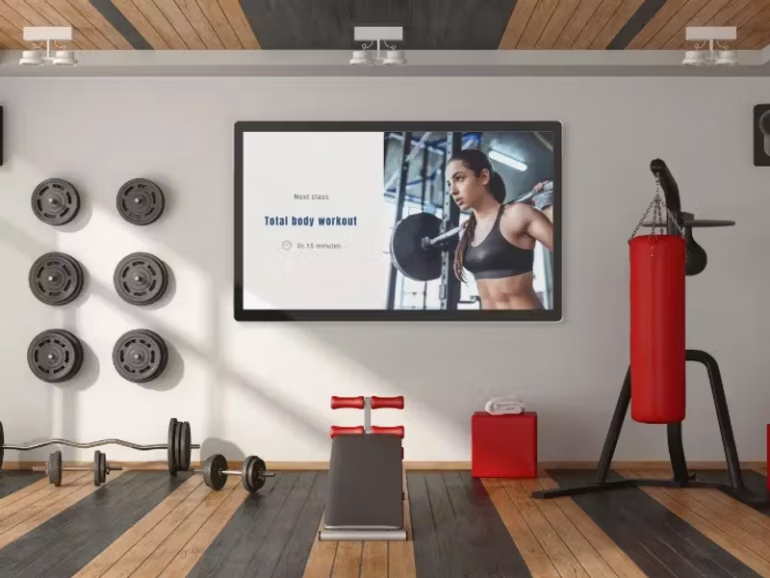
If you’ve ever walked into a modern gym and felt immediately oriented, motivated, and somehow more ready to train, a well-designed workout display system was likely doing a lot of the heavy lifting behind the scenes.
These platforms have come a long way from looping screensavers and dusty whiteboard schedules. Today, they’re dynamic setups that broadcast class timetables, guide members through interval timers, surface real-time performance data, and keep your gym’s brand front and center across every zone.
Whether you manage a boutique fitness studio, a CrossFit box, or a large multi-floor training facility, understanding what goes into a display system, from hardware specs to software features, is essential before spending a dollar. This guide breaks it all down clearly.
Table of Contents
What Is a Workout Display System for Gyms?
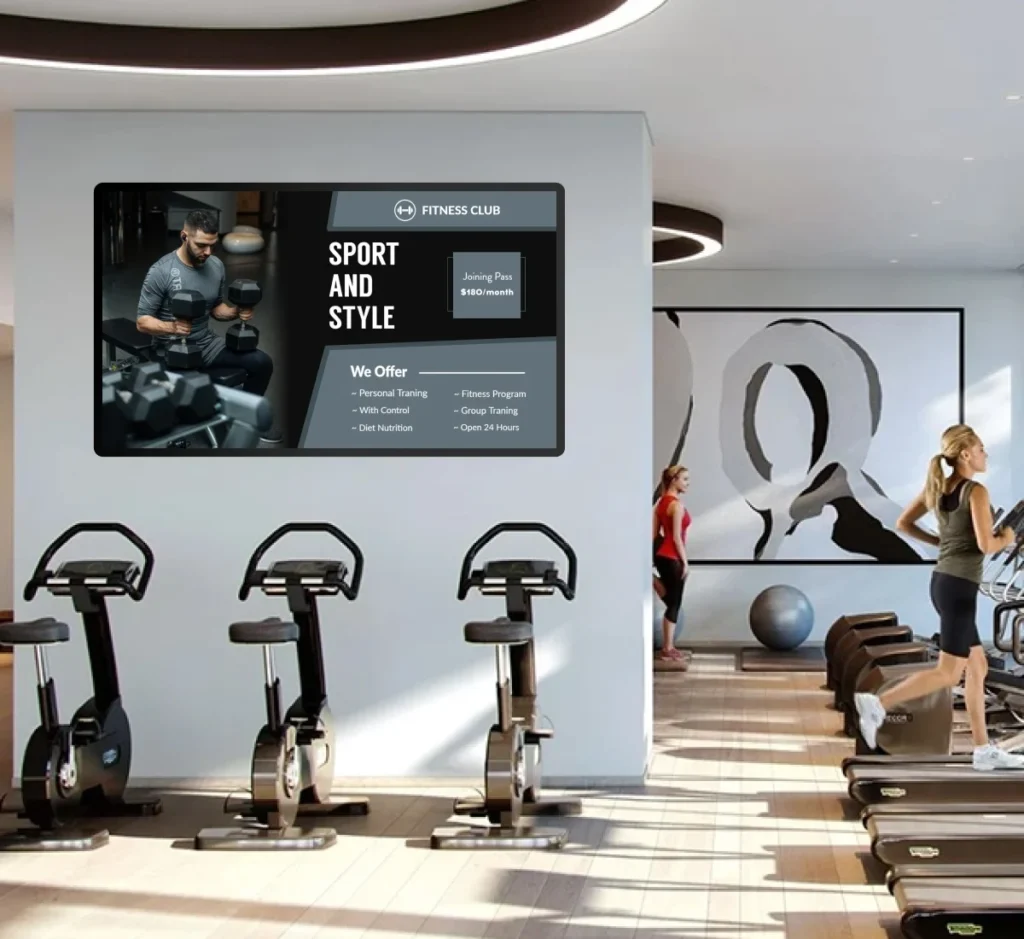
A workout display system is the combination of hardware and software used to deliver visual content, timers, performance metrics, and branded media to members across the gym floor. In practice, these systems can be surprisingly sophisticated.
They connect with gym management platforms, pull live data from performance trackers, and coordinate messaging across multiple zones at once. If you’re exploring purpose-built solutions, dedicated Gym Screens from brands like FitViz are engineered specifically for fitness environments rather than adapted from retail or office technology.
That specialization matters because gyms have unique demands around screen brightness, enclosure durability, mounting flexibility, and software compatibility that standard commercial displays simply aren’t optimized for.
Hardware Requirements Worth Getting Right
Before any software does its job, the hardware underneath has to be solid. This is where many gym owners cut corners and find themselves frustrated quickly.
Poor screen placement, underpowered media players, or unreliable network connections will undermine even the most polished content strategy. Hardware decisions shape picture quality, system reliability, ease of maintenance, and total cost of ownership over the life of the installation.
Getting this foundation right from day one is not just about appearances. It’s about operational efficiency and avoiding expensive retrofits later.
Once you understand what to prioritize across displays, media players, and network infrastructure, the decision process becomes significantly more straightforward than it might initially appear.
Screens, Sizes, and Mounting
Not all commercial displays are equal, and gym environments push hardware considerably harder than most settings. Here’s what to prioritize when selecting displays for your facility:
- Screen size: 43″ to 75″ covers most gym zones effectively; larger spaces or weight rooms with greater depth may need 85″ or dual-screen arrangements
- Brightness: Aim for 450 nits minimum in controlled lighting; go 700 nits or higher near windows or outdoor-facing walls where glare is a real issue
- Panel type: IPS panels provide wider horizontal viewing angles, which matters considerably across open training floors
- Commercial-grade rating: Look for displays rated for 16 to 18 hours of daily continuous operation rather than consumer panels
- Mounting compatibility: VESA-compatible mounts give you the flexibility to reposition screens as your layout evolves
Matching screen specifications to each specific zone, whether that’s a cycling studio, strength floor, or front desk, does far more for the member experience than chasing the highest specs across the board.
Media Players and Network Infrastructure
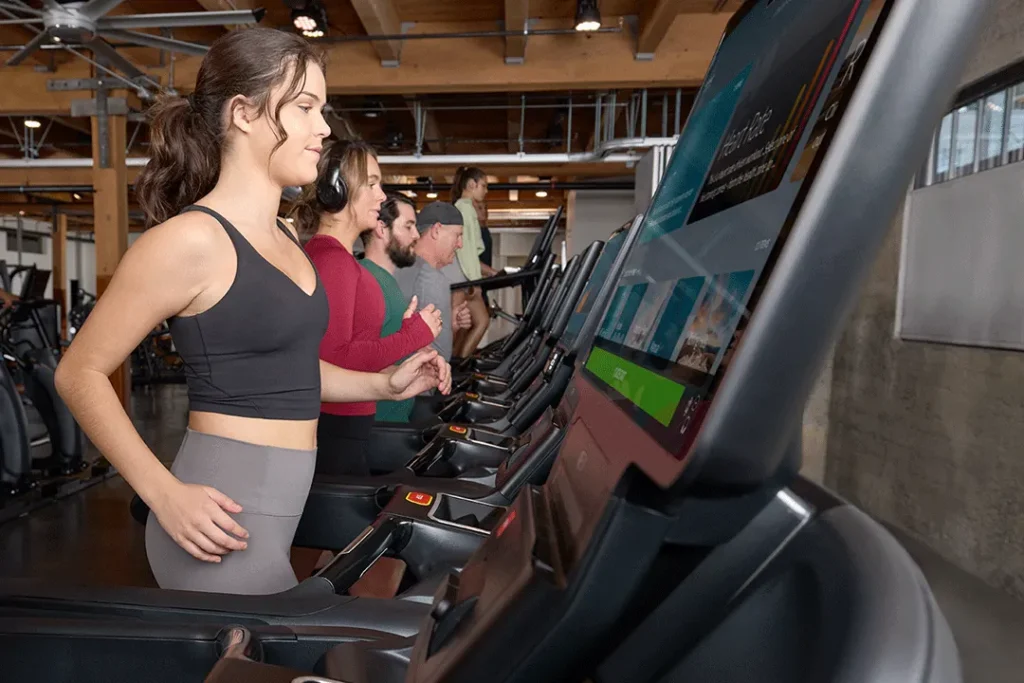
Smart TV built-in operating systems are designed for home use, typically a few hours of daily viewing. Commercial gym display environments require dedicated media players capable of continuous 16-hour operation, remote content management, and reliable scheduling at scale – tasks consumer software simply wasn’t built to handle.
Your media player is the brain behind every screen. For fitness environments, look for players that support 4K output, carry at least 4GB of RAM for smooth content transitions, and connect via gigabit ethernet rather than relying entirely on Wi-Fi.
On the network side, a managed switch and a dedicated VLAN for your display system keeps performance consistent during peak hours when dozens of members are simultaneously streaming audio and using fitness apps.
Planning for power redundancy on key equipment is also a smart move if your programming runs continuous all-day loops throughout your facility.
Software Features That Actually Drive Value
The hardware gets content on screen. The software determines what that content actually does for your business. A capable display platform gives you precise control over what plays, when it plays, and how it responds to live data from your classes and equipment.
It also handles the behind-the-scenes complexity that keeps everything running smoothly without requiring daily manual work from your staff. When evaluating software options, push past the demo.
Ask how the platform handles updates across multiple screens simultaneously, whether it integrates with your gym management tools, and what happens when a screen goes dark before a packed 6am class.
Those real-world questions reveal far more than a polished sales presentation ever will.
Content Management and Scheduling
The content management layer is where daily operations actually live. Here’s how strong platforms compare to weaker ones across the features that matter most in a real gym environment:
| Capability | Strong Platform | Weak Platform |
| Scheduling | Zone-specific playlists with time-based triggers | Manual upload only, no automation |
| Template editing | Drag-and-drop builder with branded layouts | Fixed layouts requiring developer access |
| Emergency override | Instant full-facility broadcast messaging | No override capability |
| Remote management | Cloud dashboard accessible from any device | On-site access only |
| Reporting | Playback logs and screen uptime analytics | No reporting at all |
Scheduling content by zone is particularly powerful in multi-room facilities, where the cycling studio, weight floor, and reception desk all need different messaging at different times without any manual coordination from your team throughout the day.
Live Data Integration and Member Engagement
One of the most genuinely useful capabilities in modern gym display software is live data integration.
Real-time interval timers synced to your class schedule, heart rate zones from member wearables, and performance leaderboards pulled from your training platform are not just flashy extras.
They measurably increase engagement during group sessions and give coaches a visual tool that reduces constant verbal cueing. When evaluating platforms, look for open API access or pre-built integrations with tools like Mindbody, Wodify, or TrainHeroic.
The more your display system communicates with the rest of your tech stack, the more value it generates automatically each day without adding workload for your team. That connectivity is what separates a true gym display platform from a glorified slideshow.
Final Perspective
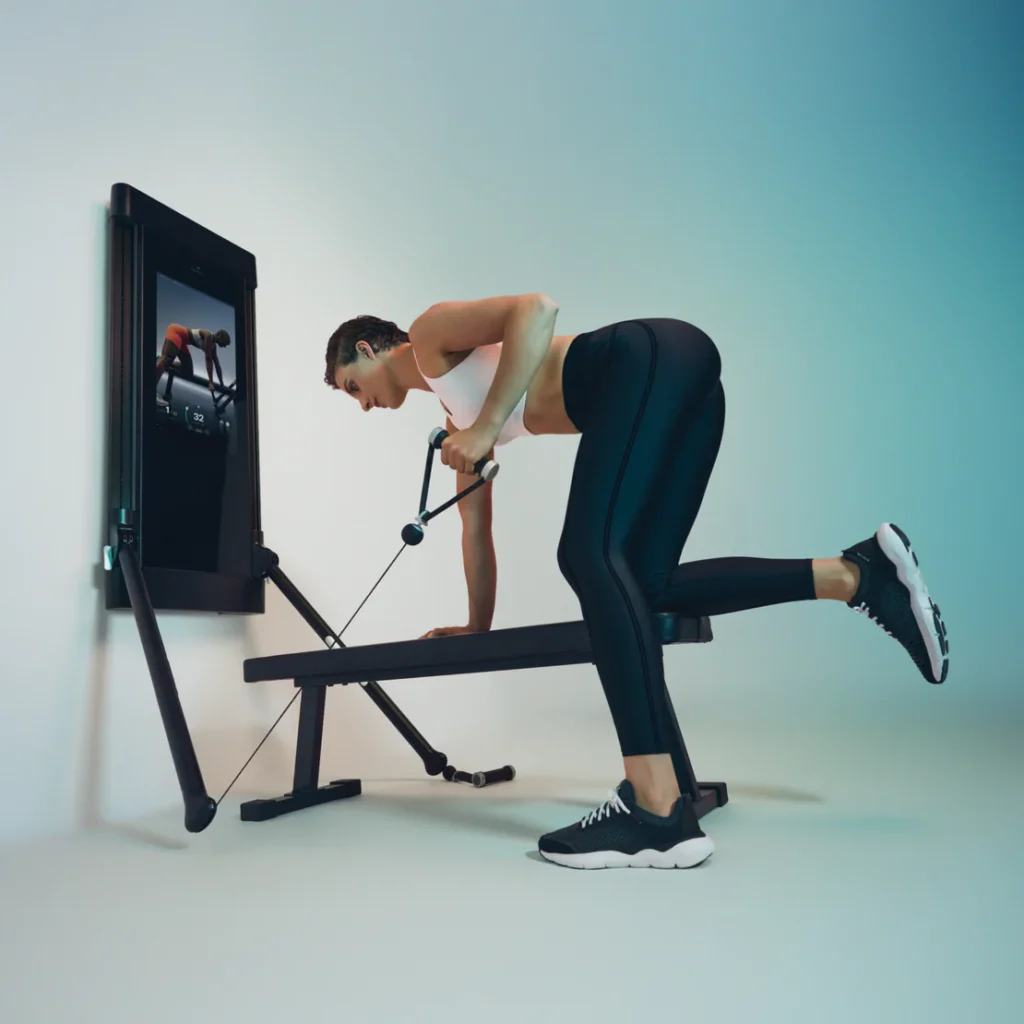
A workout display system is no longer a nice-to-have for gyms serious about member experience, retention, and operational efficiency. It’s quickly becoming a baseline expectation. Getting it right means treating hardware and software as one integrated system, not two independent purchases made with separate budgets at separate times.
From screen brightness and media player specs to content scheduling and live data pipelines, every element either adds genuine value or introduces friction into your members’ daily experience.
Start with a clear picture of your facility’s zones, your members’ goals, and your content strategy. Build from there deliberately. The best display systems are the ones your members barely think about consciously but absolutely feel every single time they walk through the door.